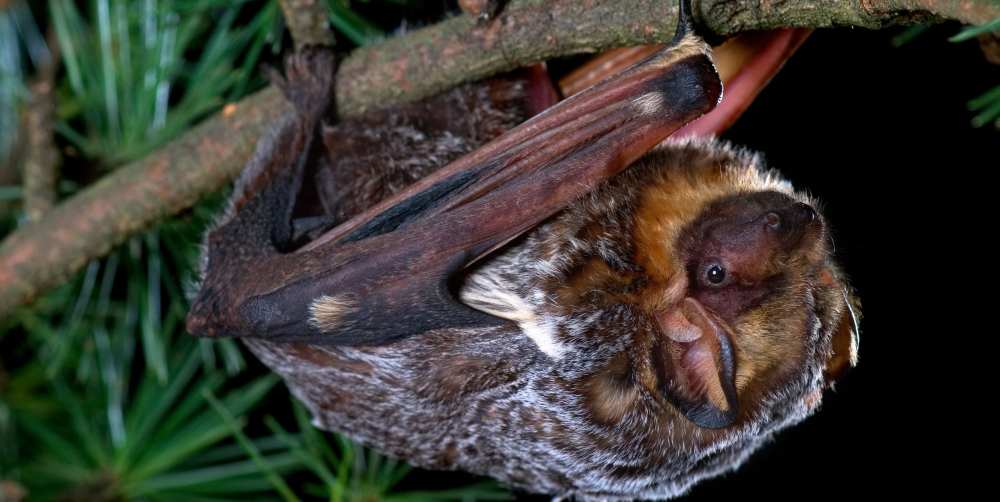
Bat Monitoring at Patsy Glenn Refuge
When the sun sets over Patsy Glenn Refuge, an entirely different world begins to emerge overhead.
This year, the refuge participated in the Texas Nature Trackers Acoustic Bat Monitoring Program in partnership with Texas Parks and Wildlife and Texas Master Naturalists. Using specialized acoustic monitoring equipment, researchers recorded ultrasonic echolocation calls from bats flying above the property during a four-night sampling period.
Because bats use ultrasonic calls beyond the range of human hearing, researchers rely on acoustic detectors and software analysis to identify which species may be present in an area. The project helps scientists better understand bat diversity and distribution across Texas while contributing to one of the largest statewide citizen science efforts in the country.
The results revealed an impressive diversity of bats likely using the refuge habitat.
Species identified as highly likely to be present included:
- Hoary bats
- Seminole bats
- Evening bats
- Mexican free-tailed bats
Additional likely or possible species included cave myotis, silver-haired bats, northern yellow bats, and big brown bats.
Many of these species play a critical role in healthy ecosystems by consuming enormous quantities of insects each night. Mexican free-tailed bats alone are estimated to save Texas farmers billions of dollars in pest control by feeding on crop-eating insects.
Some species detected are also considered Species of Greatest Conservation Need in Texas, highlighting the importance of preserving natural habitats like Patsy Glenn Refuge. The hoary bat, for example, is a migratory species that often forages high above tree canopies and targets insects like dragonflies.
Bat monitoring projects like this provide important information for wildlife conservation while helping communities better understand the biodiversity that exists right here in Hays County.
Although bats are often misunderstood, they are incredibly beneficial animals that support agriculture, reduce insect populations, and contribute to healthy ecosystems across Texas.
Next time you visit the refuge around sunset, take a moment to look skyward. You may not be able to hear them, but an entire nighttime ecosystem is already at work above the trees.